
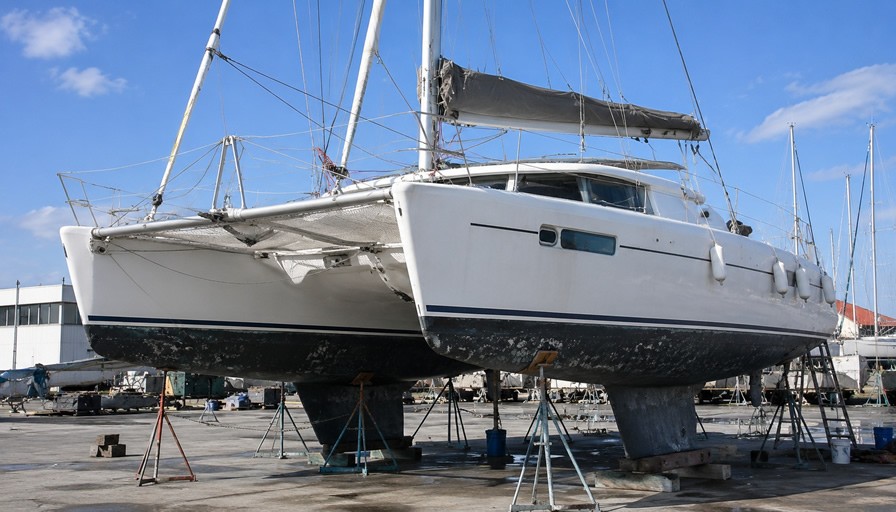
Replacing boat hardware can look simple until the new fitting does not line up, the old screws come out corroded, or water starts finding its way into the deck. Cleats, hinges, grab handles, rod holders, deck fillers, ladders, and similar fittings may be small compared with engines or electronics, but many carry load, seal deck openings, or protect access points.
Maintenance Tips
Helpful tips and guides on maintaining boats and accessories.
-
 Common Boat Hardware Replacement Mistakes and How to Avoid ThemRead More »
 -
 Why Marine Hardware Fails: Load, Corrosion, Vibration, and Poor InstallationRead More »
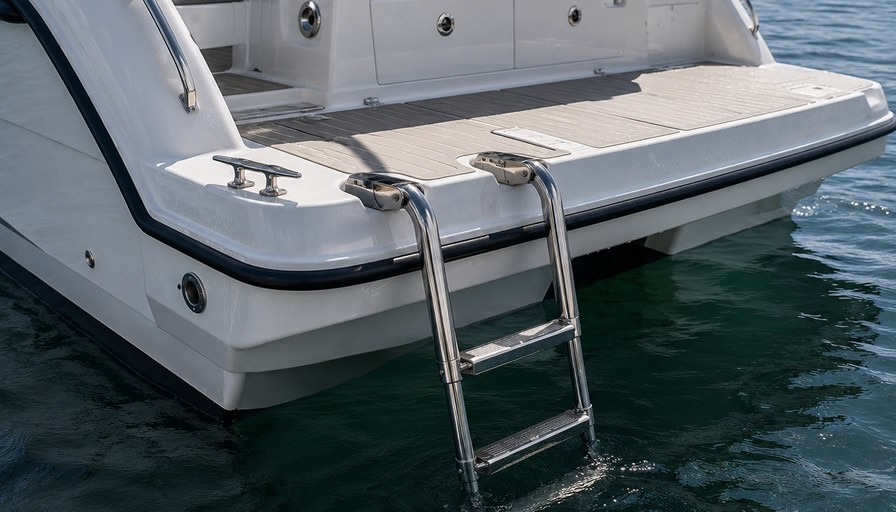
Marine hardware rarely fails for just one reason. A loose cleat, worn hinge, unstable rod holder, rattling ladder, or moving grab handle is usually the result of load, vibration, corrosion, water intrusion, poor installation, weak fasteners, or missed inspections working together over time.
-
 Marine-Grade Stainless Steel Explained for Boat OwnersRead More »
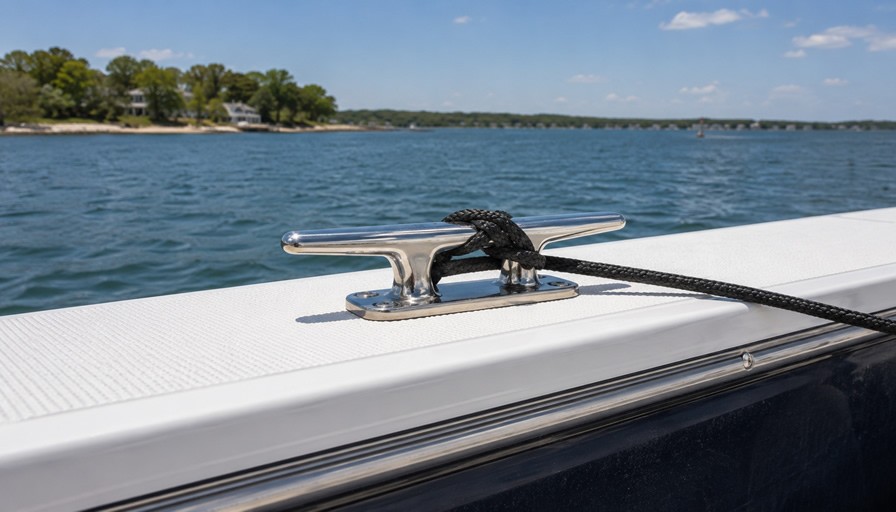
“Marine-grade stainless steel” is a useful phrase, but only when it is backed by real material and construction details. For boat owners, it should point to a known stainless steel grade, a suitable finish, clean fabrication, and hardware design that matches the fitting’s exposure and load. On its own, the phrase does not prove that a cleat, hinge, deck filler, grab handle, or rod holder is suitable for saltwater, exposed deck mounting, or long-term service.
-
 How to Choose Stainless Steel Fasteners for Boat AccessoriesRead More »
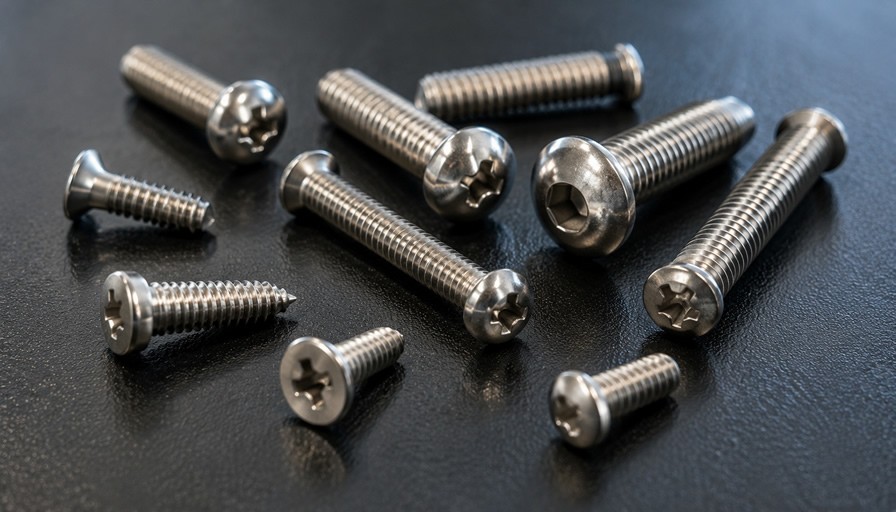
The fasteners behind a boat accessory often matter as much as the accessory itself. A cleat, grab handle, ladder bracket, rod holder, hinge, or deck fitting can look solid from above, but its reliability depends on the screws, bolts, washers, nuts, backing, sealant, and mounting surface underneath.
-
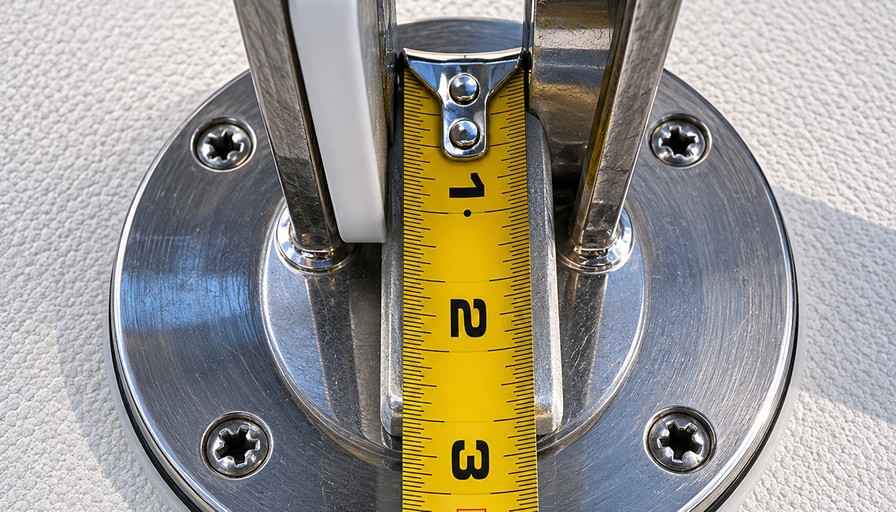 How to Measure and Replace Boat Deck Hardware CorrectlyRead More »
Replacing boat deck hardware is only straightforward when the new fitting closely matches the old installation. A cleat, hinge, grab handle, deck filler, hatch adjuster, or similar fitting may look right in a product photo, but small differences in base size, hole spacing, screw type, or underside clearance can turn a simple replacement into extra sealing, filling, drilling, or deck repair.
-
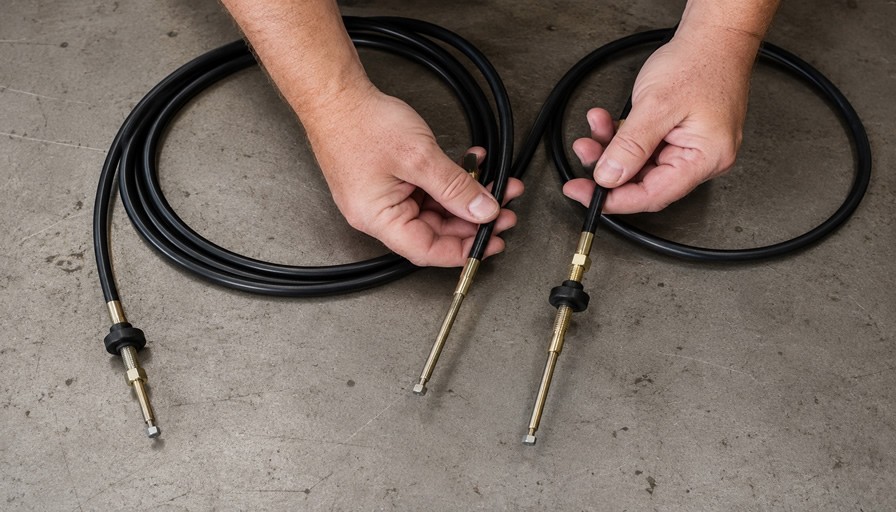 How to Select Control Cables for Your BoatRead More »
Owners of recreational boats with thermal engines who wish to modify or install remote controls must follow a few essential rules. The first very important aspect to consider when you want to buy new control cables is the engine manufacturer. Johnson/Evinrude and Mercury/Mariner boat engines require special control cables because the clamping system is different. Otherwise, most boat engines use a universal cable type 3300C with threaded ends. To avoid problems, it is very important to...
-
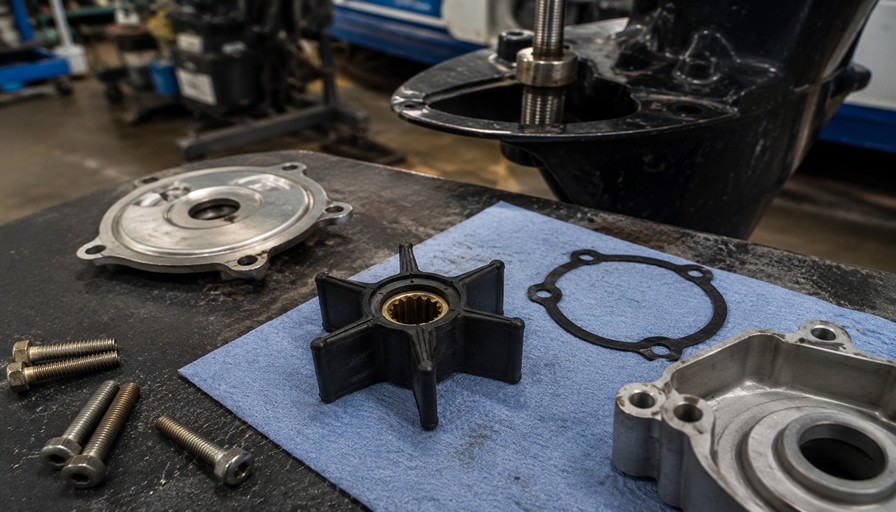 How to Change the Water Pump Impeller of Outboard EnginesRead More »
In this article, we will talk about what it is and how to change the impeller of the water pump of outboard engines. All engines give off heat once the fuel starts to burn. This heat, if not dissipated, can lead to deformation or even melting of components.
-
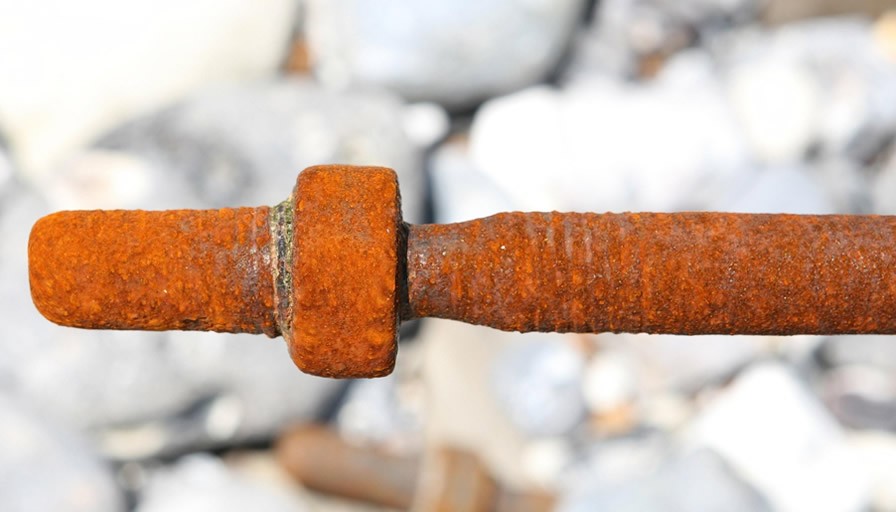 How Saltwater Corrosion Affects Boat Hardware and How to Prevent ItRead More »
Saltwater corrosion is one of the main reasons boat hardware starts to stain, pit, seize, loosen, or fail before it should. The issue is not limited to neglected boats. Even corrosion-resistant stainless steel can develop brown marks, tea staining, localized pitting, or fastener corrosion when salt, moisture, limited oxygen, surface contamination, and mixed metals are allowed to work together.
-
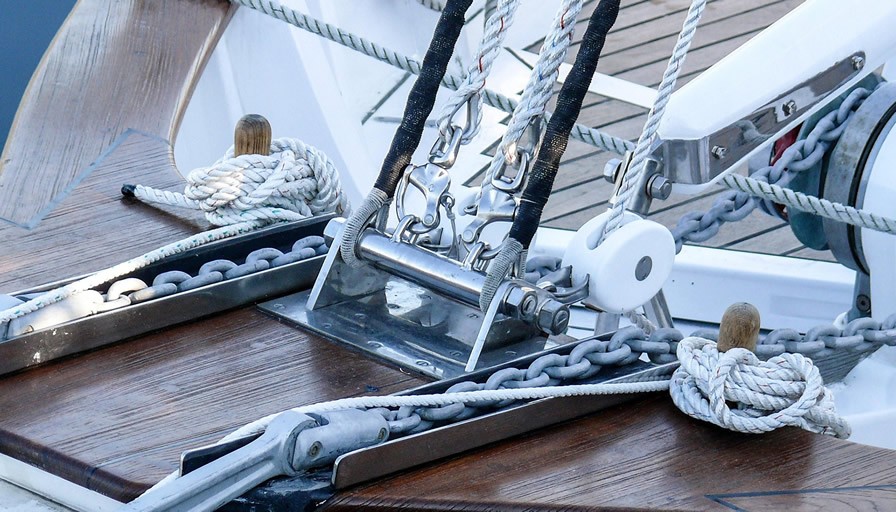 Marine Grade Stainless Steel: 316 vs 304 Boat HardwareRead More »
Choosing between 304 and 316 stainless steel matters because boat hardware does not live in a normal outdoor environment. A cleat, hinge, deck filler, grab handle, handrail, or rod holder may be exposed to salt spray, wet lines, vibration, trapped moisture, cleaning chemicals, fish residue, fuel residue, and long periods of deck exposure. Both 304 and 316 stainless steel can look bright and well finished when new, but they do not offer the same corrosion resistance in marine service.
-
 Step-by-Step Guide: Installing Stainless Steel Rod Holders on Your BoatRead More »
Are you an avid angler looking to enhance your fishing experience on the open water? Adding stainless steel rod holders to your boat can significantly improve your fishing experience. Not only do they provide a secure place to store your fishing rods, but they also free up space and allow for a more organized deck. In this guide, we'll walk you through the process of installing these essential accessories, ensuring your boat is ready for your next big catch.
-
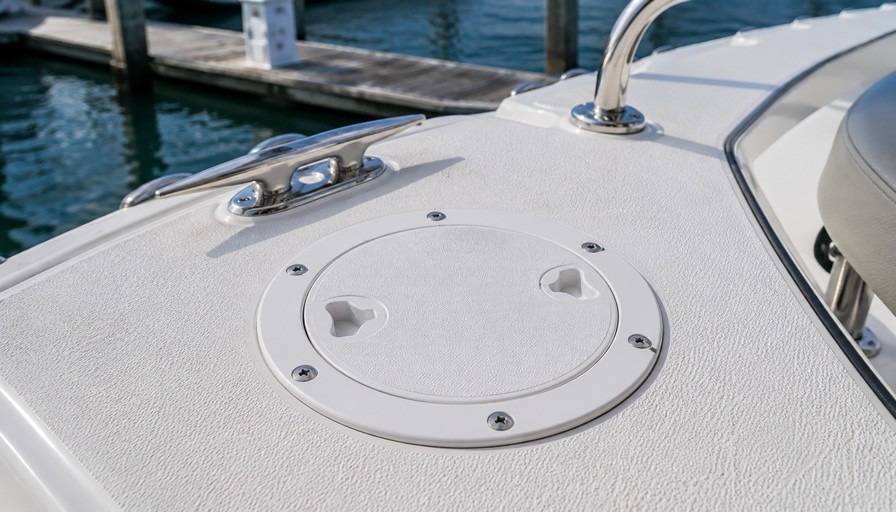 Selecting the Best Deck Plate to Improve Boat DurabilityRead More »
When it comes to boating, every component plays a crucial role in ensuring a smooth and safe journey. One such component, often overlooked but incredibly vital, is the deck plate. Choosing the right deck plate can significantly enhance your boat's durability and performance. But how do you make the right choice? Let's dive into the world of deck plates and explore how to select the best one for your boat.
-
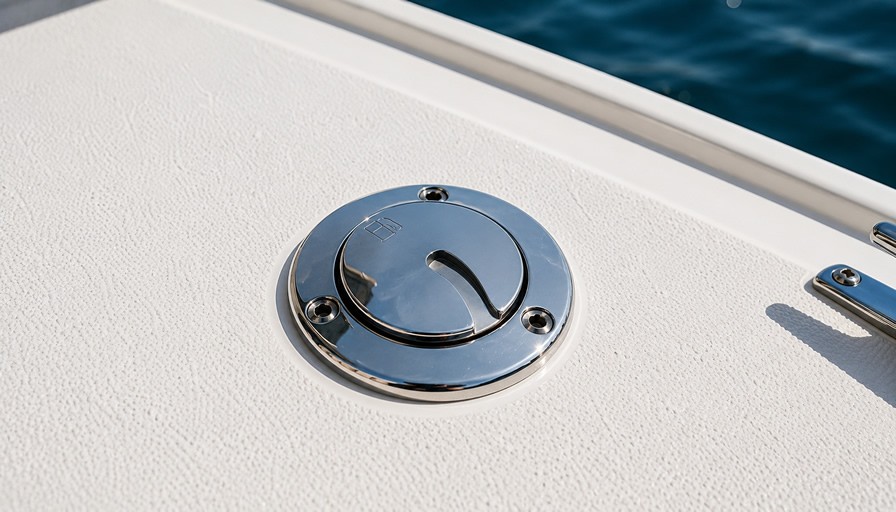 Deck Fillers: Fuel, Water, and Waste - The Beginner's GuideRead More »
When it comes to boat maintenance, understanding the ins and outs of your boat’s deck fillers (fuel, water, waste) is essential. While these components may seem small in comparison, they play an important role in your boat’s performance and safety.
-
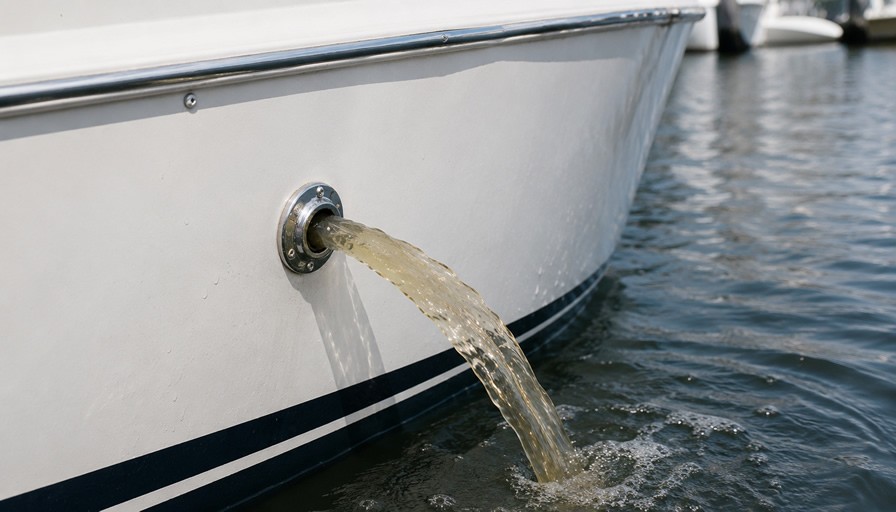 Thru-Hull Fittings: The Unheralded Heroes of Marine EngineeringRead More »
Are you curious about how water gets into and out of your boat without sinking it? The answer lies in a small yet powerful component known as a thru-hull fitting. These fittings are the unheralded heroes of marine engineering and play a vital role in the performance and safety of your boat. Let’s explore what they are, what they are used for, how to install them, and how to maintain them.
-
 Where to Find the Serial Number of Your Boat EngineRead More »
Unless you are fortunate enough to own a newly purchased boat engine to purchase replacement parts or consumables such as filters or timing belts, you must first identify the engine. Contrary to what many people think, not all are the same. A 1999 2-stroke Johnson engine is not identical to a 1993 25-horsepower Johnson engine, and even engines with the same horsepower that were manufactured in the same year may be different.
-
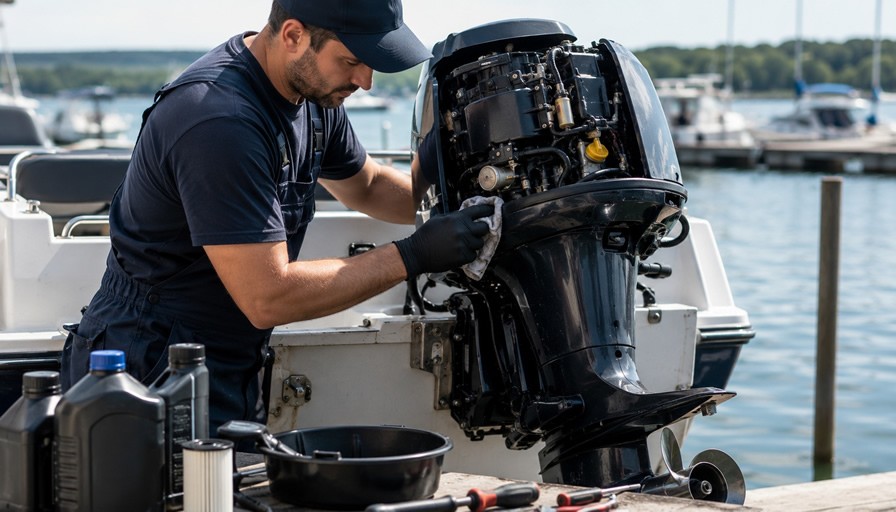 How to Maintain Your Outboard EngineRead More »
Today we're going to talk a little bit about outboard engine maintenance. We will present some easy-to-follow tips that will ensure proper operation in the long run. We have already talked about the impeller and the importance of proper outboard engine cooling, but we feel the need to highlight the issue a little more. All manufacturers insist that the impeller be changed at least every 100 hours or once a year. This rotor wears out, breaks, dulls, and loses its elasticity—factors that...
Showing 1 to 15 of 15 (1 Page)