
How to Buy the Right Boat: A Step-by-Step Guide
If you want to spend your days relaxing on the lake, going on exciting fishing trips, or exploring the open sea, having a boat can make those dreams come true. There are some things you need to know though, before you buy.
1. Figure Out What You Need for Boating
If you want to buy a boat, you should be very clear about what you want to use it for so you can choose the right type. Here are some things to think about:
a. Goals and Activities:
- Leisure Cruising: If you want to take relaxing trips on calm bodies of water like lakes or rivers, you might want to look into a pontoon boat or a deck boat. There is a lot of room on these boats to relax and hang out with friends.
- People who like to fish should think about what kind of fishing they want to do when making their choice. It might be necessary to have a bass boat for fishing in freshwater, but for deep-sea fishing, you would need a sportfishing boat with rod racks and live wells.
- Water Sports: If you love water skiing, wakeboarding, or tubing, look for boats made for those activities, like ski boats or wake boats, that have strong engines and can pull other boats.
- Overnight Trips: A cabin cruiser or a boat are good options for weekend trips or longer trips. For comfort during long trips on the water, these boats have places to sleep, a kitchen, and other features.
b. Capacity and Size:
- Think about how many people you want to join daily. For trips with just one person or a couple, a small boat might be enough. But for trips with more than two people, you'll need a boat with more room and seats.
- If you're going on a longer trip, think about how much space you will need to store food, gear, and personal things.
c. Type and State of the Water:
- It's important to know what kind of water you'll be on. Smaller boats are good for lakes and rivers, but bigger, more sturdy boats are needed for the ocean or rough water.
- If you want to go through shallow water, think about the boat's draft.
d. Maintenance and the Budget:
- Figure out how much you can spend not only on the initial buy but also on repairs, gas, storage, and insurance.
- Maintaining different types of boats. For example, saltwater boats need more care because of rust.
e. Level of Experience:
- The amount of boating knowledge you have can affect your choice. Beginners may want a boat that is simple to operate and keep up, while more experienced boaters may choose boats with more complicated and advanced features.
f. Plans for the Future:
- Think about your plans for the future. If you think your needs will change, pick a boat that is flexible enough to handle these changes.
2. Make a Spending Plan
Setting a reasonable budget is an important part of getting a boat so that you can enjoy your purchase without worrying about money. Here is a more in-depth look at the things you should think about:
a. Price at First Purchase:
- New vs. Used: Choose whether you want a new or used boat. It costs more to buy a new boat because they have more options and warranties. It may be cheaper to buy a used boat, but it may need more upkeep right away.
- Type and Size: The price of a boat depends a lot on its type and size. It will cost more to buy a bigger boat with more features than a smaller one.
b. Options for Financing:
- Loans: If you want to finance your boat, look into the different loan choices. The best deal may not be the first one you see. Compare interest rates, loan terms, and down payment needs.
- Leasing: Some companies let you rent boats, which could be a good choice if you don't want to buy one.
c. Costs Added On:
- Insurance: You need boat insurance to protect your investment. Prices depend on where you live, the type of boat, and how much it's worth. To find the best rate, get prices from more than one insurance company.
- Repairs and Care: Your boat needs regular maintenance to stay in good shape. Plan for routine maintenance such as engine checks and hull cleaning, as well as unexpected repairs.
- Storage: Think about where you'll keep your boat. You can store your trailer at home, in a dry storage facility, or on a port slip.
- Gas: The price of gas can add up, especially if you plan to take a lot of long trips. Boats that are bigger and have stronger engines will use more gas.
- Registration and Taxes: Don't forget to add up the registration fees and any taxes that may be due, which can be different in each state or country.
d. Costs of Doing Business:
- Docking and Harbor Fees: If you want to dock at a marina, find out how much it costs each month or each year. Based on area and amenities, these can be very different.
- Gear and Accessories: Think about how much it will cost for life jackets, safety gear, navigational aids, and any other gear you might want, like fishing gear or water sports gear.
e. Loss of Value:
- Know that boats lose value over time. Think about how this will change your long-term finances, especially if you want to sell in the future.
f. Fund for Emergencies:
- It's smart to save some money in case you have to pay for something unexpected. Boats aren't always reliable, so having extra money on hand can help you relax.
3. Find Out About the Different Kinds of Boats
This step is very important because it will help you understand the differences between the types and their pros and cons, so you can make an informed choice.
a. Sailboats:
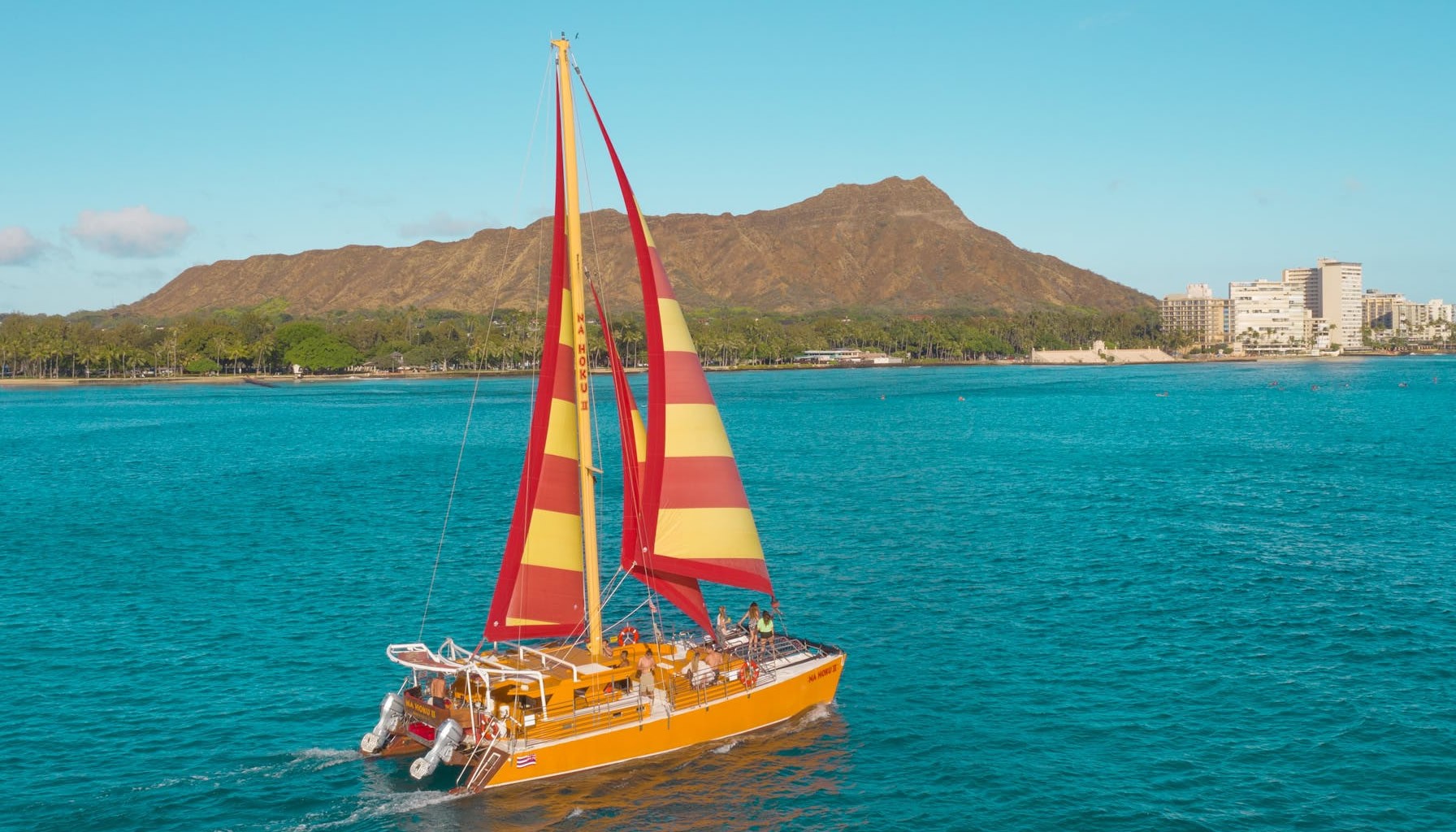
- Sailboats get their power from the wind and their sails. They are all different sizes, from small dinghies to big ships.
- Pros: Those who enjoy the tranquility of sailing and the challenge of sailing with the wind will find it ideal. Since they don't have as many engines, they often use less gas.
- Things to Think About: You need to know how to sail it, and it can be harder to run.
b. Fast Boats:
- These boats have strong engines because they are made to go fast and turn quickly.
- Pros: Great for thrill-seekers and people who like water sports. They let you get around quickly and are great for water sports like waterboarding.
- Things to Think About: Strong engines use more gas and cost more to maintain.
c. Yachts:
- Yachts are usually filled with high-end features and are very large and luxurious.
- Pros: It's great for long trips and having people over. They are stylish and comfortable on the water.
- Things to Think About: A big investment in terms of the price to buy it and the upkeep it needs. For bigger models, you need a crew.
d. Pontoons:
- Boats with flat decks that are held up by pontoons, giving them stability and room.
- Pros: It's great for parties, family trips, and relaxing cruises. They have a lot of room and are simple to use.
- Things to Think About: Not made for fast travel or rough water.
e. Boats for Fishing:
- Made for fishing, with rod racks, live wells, and fish finders, among other things.
- Pros: Designed to meet the needs of anglers, providing usefulness and ease of use for fishing trips.
- Things to Think About: It doesn't have a lot of speed or fancy features.
f. Houseboats:
- These boats are like mobile homes because they have places to live on them.
- Pros: It offers all the comforts of home, making it ideal for extended stays on the water.
- Things to Think About: limited movement and speed; mostly used for living in one place.
Tips for Research
- Online Resources: To learn about the different kinds of boats, use websites and forums. Boat Trader and YachtWorld are two websites that have thorough listings and reviews.
- Boat Shows: You can see a lot of different boats in person at local or national boat shows. This is a great chance to talk to dealers and makers.
- Talk to Owners: Talk to people who already own boats to find out what they like and dislike about them. They can give you useful first-hand information.
- Test Rides: If you can, go on test rides to see how different boats handle the water. This might make the difference in your choice.
4. How to Choose Between a New or Used Boat
Comparing them is similar to choosing between a brand-new and a used smartphone, as each offers unique advantages and disadvantages. Here's a more in-depth look at the things you should think about:
Getting a New Boat
Pros:
- Newest Technology and Features: New boats come with the newest nautical technology, such as cutting-edge navigation systems, engines that use less fuel, and modern features that make the boat more comfortable and safe.
- Warranty Protection: Most new boats come with a warranty from the manufacturer that covers fixes and problems for a certain amount of time. This can give you peace of mind and maybe even save you money on repairs.
- Options for Customization: When you buy a brand-new boat, you can often make it your own by picking the color scheme, adding features, and upgrading it.
- When you buy a new boat, you don't have to worry about instant mechanical problems because everything is brand new from the factory.
Not So Good:
- Higher Initial Cost: New boats are more expensive than used boats, sometimes by a lot. This covers everything from the price of the boat to the taxes and insurance.
- Owned for many years.
Getting an Old Boat
Pros:
- Affordability: Used boats are usually less expensive than new ones, so you may be able to buy a bigger or fancier model without going over your budget.
- Slower Depreciation: The steepest part of a used boat's depreciation slope has already been climbed, so its value tends to stay the same over time.
- Performance That Has Been Proven: If you buy a used boat, you can look into the model's history and read reviews from other users to get an idea of how reliable and well it works.
- Lower Insurance Costs: Insurance rates for used boats are often lower than those for new boats, which saves money overall.
Not So Good:
- Possible Higher Maintenance: If the previous owners didn't take good care of their boats, they may need more fixes and maintenance more often.
- Most used boats are offered "as-is," which means they might not come with a warranty, and you'll have to pay for any repairs.
- Outdated Technology: Depending on how old the boat is, it might not have all the new features and technologies that come with newer boats.
- Limited Customization: If you buy something used, you might have to give up some features or looks because you can only change things that are already there.
Making Your Choice
When choosing between a new and used boat, here are some things to think about:
- Make a Budget: Figure out how much you're ready to spend on the purchase as well as on repairs, insurance, and regular upkeep.
- You should think about how often and why you want to use the boat. If you like to go boating a lot, it might be worth it to buy a new boat with a guarantee. If you only use your boat sometimes, a well-kept used one might be cheaper.
- Do Your Research: Whether you want to buy a new or used model, make sure you know everything you can about it. If you want to buy a used boat, ask for records of its care and think about having a marine surveyor look it over before you buy it.
- Resale Value: Think about how long you'll keep the boat and how much it might be worth when you want to sell it.
In the end, your personal tastes, budget, and boating needs will determine whether you should buy a new or used boat. You can make a choice that fits your lifestyle and gives you many enjoyable days on the water by carefully weighing the pros and cons.
5. Check Out and Test Drive
You should never buy a boat without seeing it first and driving it. This is a very important step, especially if you're getting a used boat. Examine the boat for any indications of damage or typical signs of wear and tear. See how it works by taking it out on the water. Like when you test-drive a car, you need to be sure you can handle things behind the wheel.
Checking Out the Boat
- Examine the Outside: First, do a full check of the boat's outside. Check the body for cracks, dents, or scratches that you can see are signs of damage. These could be signs of past accidents or bad upkeep. The places around the waterline and the keel are likely to get worn down, so pay extra attention to those.
- Check the Inside: Next, look for signs of water damage or mold on the inside. These could be signs of leaks or poor airflow. Check the upholstery for holes or wear and tear, and make sure all the storage spaces and drawers are dry and don't smell musty.
- Mechanical Parts: Check the engine and any other mechanical parts. Check for leaks or signs of rust. Having a professional repair check the engine is a good idea to make sure it's in good shape. Make sure that all of the lights and electronics work by checking the battery and electrical systems.
- Equipment for Safety: Make sure all the safety gear is there and in good shape. This includes things like flares, life jackets, and first aid kits. Safety is the most important thing at all times.
Taking the Boat for a Spin
- Performance and Handling: Putting the boat out on the water is like taking a car for a test drive. Watch how the boat moves at different speeds and in different types of water. It should feel stable and work well. Turn it around and stop it quickly to see how well it moves.
- Noise and Comfort: While you're on the water, check to see how comfortable the ride is. Is the boat quiet and smooth, or does it shake and move a lot? If you hear any strange sounds coming from the engine or hull, that could mean there are problems deeper down.
- Features That Work: Check all the systems and features on board, like the navigational equipment, steering, and speed controls. Make sure that everything works well and without any problems.
- Your Comfort: Finally, think about how comfortable and confident you are while you're driving the boat. Are the tools easy for you to use? Are the seats nice and soft for you and your passengers? These things are very important for having a good time fishing.
You can make a better choice and be sure that your investment is safe if you carefully check out and test-drive the boat. If you don't know much about boats, it's always a good idea to bring a friend who does or hire a marine surveyor to help you with the check. This step not only keeps you from making mistakes but also makes sure that you find a boat that fits your wants and goals.
6. Look Over the Papers
Make sure that all the information is in order before you complete the deal. The title, registration, and any guarantees are all part of this. A dealer should take care of most of this for you if you buy from them. If the seller is a private person, you may need to do a little more work.
- Title: The title is a legal record that shows who owns the boat. Make sure the title is clear before you buy a boat. This means that there are no liens or claims against it. When you buy from a dealer, the title is usually transferred to your name by the dealer. If you buy from a private seller, on the other hand, you'll need to make sure that the seller signs the title over to you.
- Registration: The boat's registration shows that it has been registered with the right government agency and that the fees have been paid.
- Warranties: If the boat still has a warranty, make sure you know what it covers and how long it lasts.
- Bill of Sale: This is like a receipt for the deal. It has important information on it, like the sale price, facts about the boat, and the names and signatures of both the buyer and the seller. Even if it's not needed by law in your area, it's still a good idea to have a bill of sale because it proves the deal.
- Loan Documents: If you're getting a loan to pay for the boat, make sure you understand the terms of the loan, such as the interest rate, monthly payments, and any fees you'll have to pay if you pay it off early.
You can avoid legal problems and make sure the transfer of ownership goes smoothly by carefully going over all the paperwork and making sure it is complete and correct. If you're not sure about any part of the process, it's always a good idea to ask questions. If you need to, don't be afraid to get professional help.
7. Safe Financing
Finding a way to pay for the boat is important if you're not going to pay cash. When people buy boats, they often take out loans to cover the cost, just like when they buy cars. Here's a more detailed look at how it works:
- Look Into Your Choices: To begin, learn about the different loans. A lot of banks and credit unions give boat loans, which are loans that are only for buying boats. Some boat dealers also offer financing choices right there in the store, which can be helpful but might not always get you the best rates.
– Look at different interest rates and loan terms. It's important to do this just like you would with a car loan to find the best interest rates and loan terms. Interest rates can be very different from one company to the next, so getting quotes from more than one can help you find the best deal. Also, pay attention to the length of the loan. Longer terms may mean smaller monthly payments, but you end up paying more in interest throughout the loan.
- Check Your Credit Score. The interest rate you'll be offered will depend a lot on your credit score. Most of the time, better loan rates come with a higher credit score. Before you apply for a loan, look at your credit report and fix any mistakes or problems that could hurt your score.
- Figure Out Your Budget: Before you apply for a loan, you should know exactly how much you can afford to borrow. Think about more than just the price of the boat itself. Think about things like insurance, repairs, and docking fees. This will keep you from borrowing too much money.
- Pre-Approval: You might want to get a loan before you apply for it. A lender will look at your financial information and decide how much money they are willing to give you. With pre-approval, you can get a better idea of how much you can spend and draw sellers more.
- Thoroughly Examine the Terms and Conditions: After identifying a loan suitable for your requirements, thoroughly review them. Pay close attention to any hidden fees, penalties for early loan repayment, or other terms that could impact your future financial situation.
- Talk Things Over: Don't be afraid to talk about the loan terms. Lenders might be ready to change the terms of the loan to get your business, even if it means changing the interest rate, the length of the loan, or something else.
If you take the time to find the best financing choice, you'll be able to enjoy your new boat without having to worry about money too much. Remember that putting in a little extra work at the start can save you a lot of money in the long run.
8. Get Insurance
It is very important to get boat insurance so that you can enjoy your time on the water without worrying. Boat insurance is meant to keep you from losing money because of damage, theft, or accidents, just like car insurance. If you want to know more about why boat insurance is important and how to choose a policy, read on:
- Types of Coverage: Most boat insurance plans offer more than one type of coverage. There may be liability coverage, which protects you if you hurt someone or damage their property; physical damage coverage, which fixes or replaces your boat if it gets damaged; and personal property coverage, which covers things like electronics or fishing gear that you keep on your boat.
- Customized Plans: You may need different types of insurance for different types of boats. One example is that ships, yachts, and personal watercraft like jet skis may need different kinds of insurance. You can make sure you get the right policy by talking to an insurance agent about your unique needs.
- Limits on Navigation: Some policies have limits on navigation, which means they will only cover you in certain places or up to a certain distance from shore. Make sure your policy covers places you want to go far away or across foreign waters with your boat.
- Agreed Value vs. Actual Cash Value: When you buy boat insurance, you may be able to choose between agreed value and actual cash value. A boat is insured for its agreed value at the time the policy is written. A real cash value policy, on the other hand, takes into account how much the boat has lost in value over time. Agreed value plans may have higher premiums, but they may cover more things.
- Extra Coverage Options: You could also look into extra coverage options like tow and help, liability for fuel spills, or coverage for boaters who don't have insurance. In some cases, these can offer extra support and protection.
- Some things that can save you money on your boat insurance are taking a course on boating safety, having a clean driving record, or bundling your boat insurance with other types of insurance, like home or car insurance. Make sure to ask your agent if there are any ways you can save money.
- Claims Process: It's also important to know how the claims process works. Know how to file a claim and what paperwork you'll need. It will be easy to go through this process with a good insurance company.
You can protect your investment and enjoy your boating trips with peace of mind if you take the time to find the right insurance package. Every year, you should go over your policy and make any necessary changes. This is especially important if you make big changes to your boat or how you use it.
9. Make a Plan for Maintenance and Storage
A very important thing to do is make sure your boat stays in great shape and is ready for your next trip, which is to plan how it will be stored and maintained. Let's talk about this subject in more detail.
Choices for Storage
- Harbor Storage: Many boat owners choose to store their boats at a harbor. Marinas are helpful because they put your boat in the water for you, so you can leave at any time. A lot of the time, they offer extra services like protection, maintenance, and even gas stations. But this ease comes with a price: marina fees can be very high, especially in places where a lot of people like to boat. You should plan for these costs in your budget.
- Home Storage: If you have the room, keeping your boat at home can save you money. In your driveway, garage, or a separate area on your land, this could be done. When you store your boat at home, you can monitor it closely and perform repairs whenever necessary. You should check with your local government and homeowner group, though, because some places have rules about how boats can be stored.
- Dry Stack Storage: This is a great choice if you want high-end marine storage without the high prices. Dry stack storage means putting your boat on racks in a protected area. This keeps your boat safe from the weather and may make it last longer. On the other hand, you might have to plan to launch your boat, which isn't as handy as just having it in the water.
- Trailer Storage: If your boat can be pulled behind a trailer, you can store it anywhere, like your home or a storage center. This choice lets you move around and may be cheaper than boat storage. You'll need to make sure, though, that your car can safely pull your boat.
Thoughts on Maintenance
Every so often, you should check on and care for your boat just like you would a car. Here are some important things to remember about maintenance:
- Cleaning: You should clean your boat often so that dirt, algae, and salt don't build up and damage it over time. This includes cleaning the inside, outside, and body.
- Engine Maintenance: To maintain the engine, do what the maker says. Usually, this means changing the oil, replacing the filters, and checking the cooling system. Regular engine checks can keep you from having to pay for expensive fixes later on.
- Check the hull for damage or wear. Look for breaks or blisters on the hull to show that it has been used. If you take care of these problems early on, they won't get worse.
- Electrical Systems: Make sure everything is working right by checking the boat's electrical systems, such as the lights, battery, and wires.
- Safety Gear: Check safety gear like life jackets, fire extinguishers, and flares often to make sure it's in good shape and up to date.
- Winterization: If you live somewhere where it gets cold in the winter, you'll need to protect your boat from the elements by winterizing it. To do this, the water systems must be drained, antifreeze must be added, and the boat must be covered.
Planning for storage and committing to regular repair will not only make your boat last longer, but it will also make boating more fun.
10. Join a Boating Community
Joining a boating community or club can make your boating experience much better and offer many perks besides just connecting you with other boaters. Here's more on why joining a boating community is a great idea and how it can make your time on the water better:
- Making Friends and Networking: Boating communities are a great place to meet people who love the water as much as you do. No matter how much or how little experience you have with boats, people are always happy to share what they know. These links can help you make lasting friendships and find people who can help you or give you tips.
- Chances to Learn: Being a part of a community gives you access to a lot of information. A lot of clubs give training, seminars, and workshops on a wide range of subjects, such as navigation, safety, maintenance, and even more advanced sailing skills. Getting tips from experienced boaters can help you feel more comfortable and good at being on the water.
- Planned Activities and Events: Boating communities often plan a wide range of events, such as regattas, fishing games, social get-togethers, and group cruises. Not only are these events fun, but they also give people the chance to try new waters and places with the safety and friendship of a group.
- Access to Tools: Many boating communities have tools that boat owners can find very useful. To do this, you might need to pay a fee to use club resources like docks, storage, and repair services. Some clubs work with nearby companies to give members discounts on goods and services.
- Advocate for waterways and support safe boating practices. Boating communities often take part in advocacy efforts to protect waterways. You can help protect the environment and make sure that boating is still a fun and sustainable pastime for future generations by joining a club.
- Joint Costs and Benefits: Some clubs let members enjoy boating without having to pay for and maintain a boat themselves through joint ownership or rental programs. You can use this service to try out different kinds of boats or just enjoy fishing until you're ready to buy your own.
- Family-Friendly: Many boating communities are family-friendly and have events and programs for people of all ages. Taking your family along on your boating trips can be a great way to make experiences that will last a lifetime.
- Drive and Interest: Joining a boating community can keep you motivated and interested, just like joining a gym. Getting to know other boats and going to events can motivate you to spend more time on the water and get the most out of your boating experience.
- Tips and Information About the Area: People who live in the same boating community often know a lot about the water around them, like where to fish best, where to hide coves, and where to stop safely. This insider knowledge can make your boating trips better and help you find new places you love to visit.
Joining a boating community will not only make your own boating experience better, but it will also help you connect with other people who love the water as much as you do. There is something for everyone at a fishing club, whether you want to learn, meet new people, or just spend more time on the water.
Start your new adventure by setting sail
It's a big choice to buy a boat, but if you do your research, the process can go smoothly and be fun. Getting ready to find the perfect boat is easy if you know what you want, set a budget, do your study, and follow the steps given. Remember that the path is just as important as the end goal. So, get ready to sail and have fun!